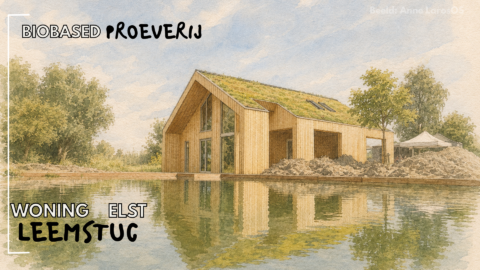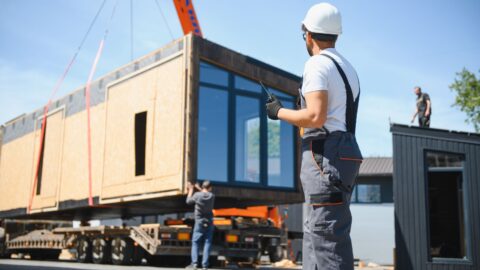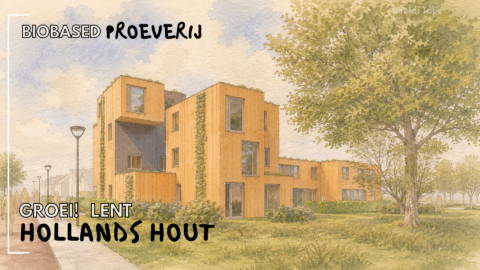
Next year, a neighborhood with 30 very different homes—all grid-conscious, biobased, and circular—will be built in Almere. Factory-built. By the end of 2027, you should already be able to walk through the neighborhood, and everything will be ready. This time, the Temporary BouwEXPO Almere is primarily focused on circularity.
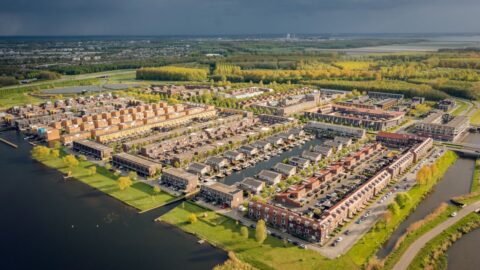
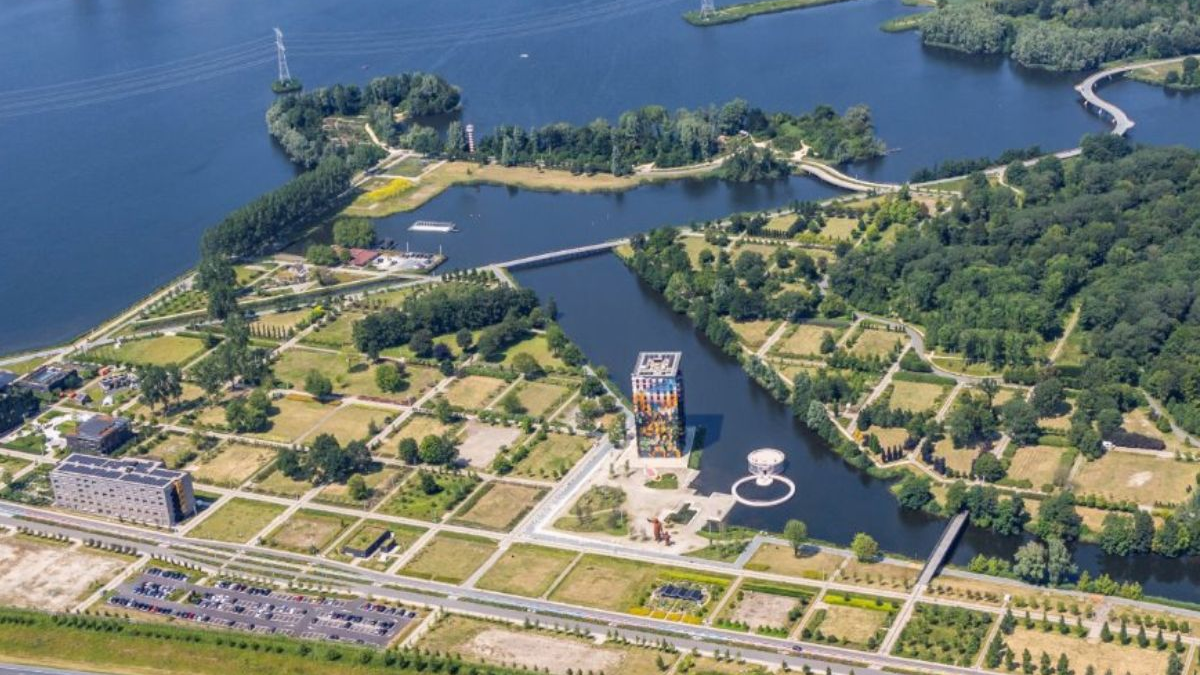
In Almere, a large area has been set aside for thirty showcase homes. The market is responsible for delivering them, after which they can remain in place for four years. Ivar Diekerhof, from the organizing municipality, hopes that many different parties will apply—not just the big players. “All in all, that will result in a very diverse selection—which is exactly what we’re looking for.”
Accelerating and Scaling Up
For this exhibition, the municipalities of Almere and Lelystad, the province of Flevoland, educational institutions, and commercial partners are collaborating. “We want to showcase the possibilities in the field of grid-conscious, circular, and biobased construction. We’ll share the lessons we’ve learned, because everything is focused on accelerating and scaling up. We want to ensure that these kinds of solutions are adopted more widely.”
Draw up plans, apply for a permit, build, and finish
A call for bids has been issued, and the project will kick off on November 19. The market consultation will run until March 11, and after that, things need to move quickly. The municipality has made all the necessary preparations. The environmental plan has been amended accordingly, and steps are being taken to ensure that the permits—which the builders still need to apply for—are granted quickly.
“It’s really just a matter of drawing up a plan, applying for a permit, building, and then it’s done,” says Diekerhof. “With conceptual and factory-based construction, that can happen very quickly. It should be completed by the end of 2027, and I hope to be able to walk among the homes by then.”
Dismountable and reusable
It’s set to become an innovative living lab, as the homes will actually be occupied. Subsidies are available for the builders. Educational institutions aren’t just participating for the sake of it; they’re providing students for training workshops. Housing associations in Flevoland are observing the project to see if they can apply the lessons learned to their own operations.
The homes will remain the property of the builders and will stay in place for four years. After that, they can be moved to another location, so it is highly desirable that all components be detachable and reusable. With a conceptual, factory-based, and circular construction approach, the latter should not be a problem at all.